
Is Bone China Non - Vegetarian?
November 1, 2025 • ~9 MINS READ
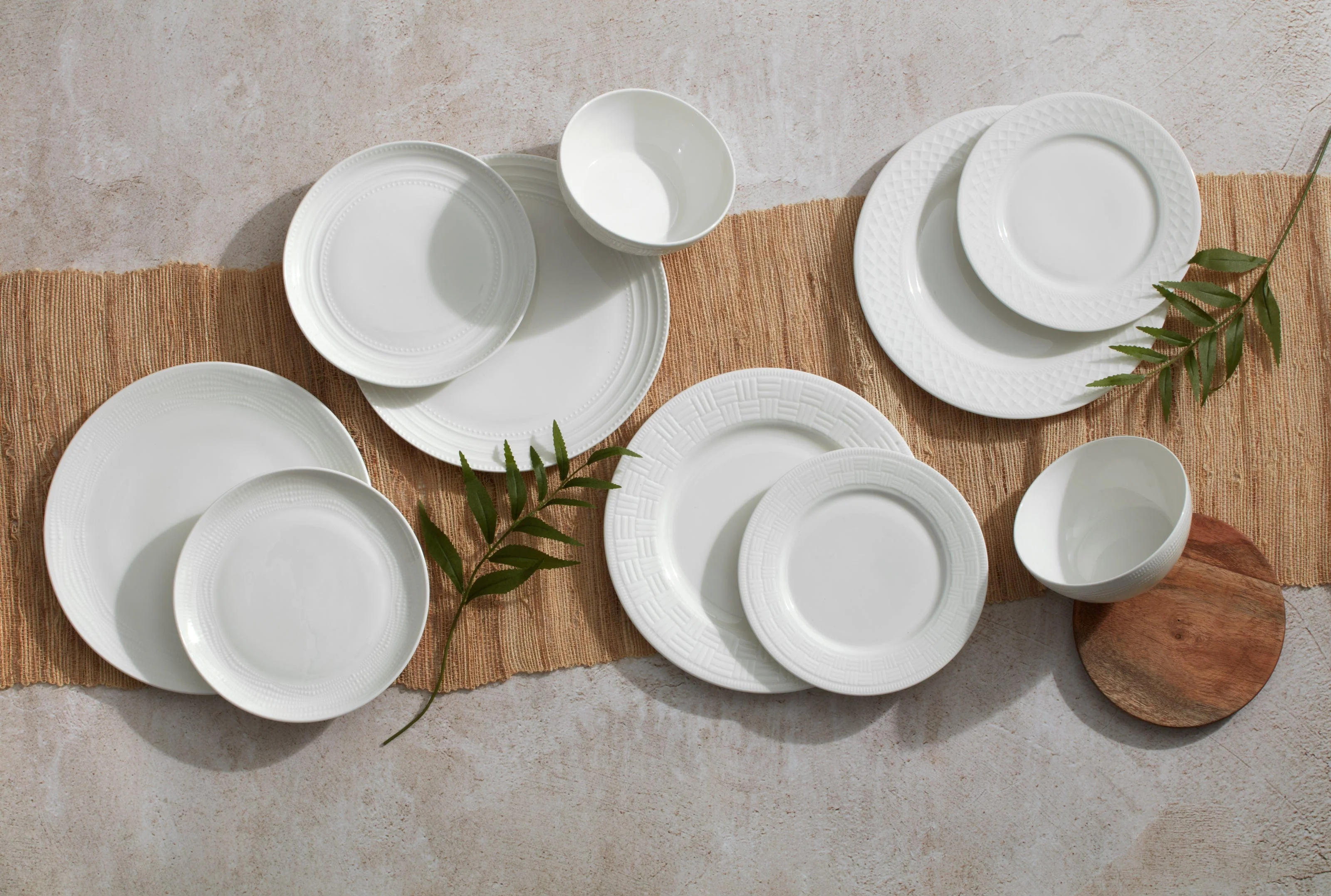
Understanding Materials, Ethics & Tradition
Bone china is prized for its translucency and strength — but many readers wonder: is it vegetarian? This post explains what bone china is made from, why that matters to vegetarian and spiritual communities, and practical alternatives you can choose for purer events and households.
What is Bone China?
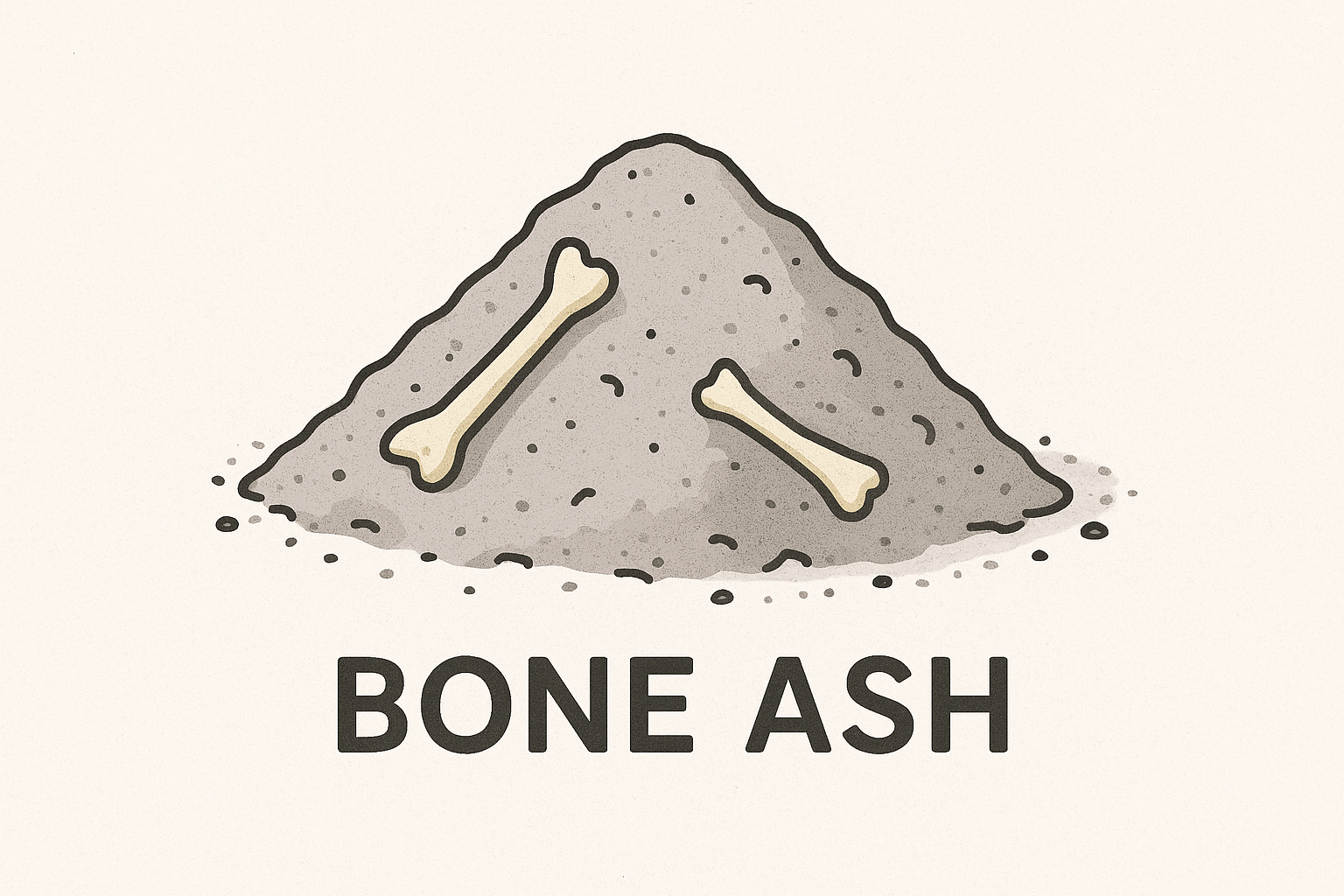
Bone china is a type of fine porcelain traditionally made with a mixture of kaolin (china clay), feldspathic material and bone ash — which is calcined animal bone. The bone ash component gives bone china its characteristic warm white hue, translucency and mechanical strength.
Typical composition: up to 25–50% bone ash in classic formulations.
Is it Non‑Vegetarian?
Yes, Because bone china uses animal-derived bone ash as a raw material, it is typically considered non‑vegetarian by those who define vegetarianism to exclude animal‑derived products. Even though the final product contains only ash (no flesh), the origin of the material is animal-based.
In spiritual or ritual contexts this distinction matters: objects derived from animals may be avoided to preserve perceived purity.
Ethical & Spiritual Considerations
For communities who observe vegetarian ethics for spiritual reasons (e.g., many Hindu, Jain, and Buddhist households), the use of animal-derived materials — even in processed form — can conflict with values of non‑harm (ahimsa) and ritual purity (śuddha). Temple and puja items often avoid bone china for precisely this reason.
- Perception of purity: ash from animals is still an animal derivative.
- Source sensitivity: many prefer tableware that contains no animal inputs at any stage.
- Practical guidance: if hosting a spiritual event, choose explicitly animal‑free ceramics to avoid offence.
Alternatives & Recommendations
If you want the elegance of bone‑china but need vegetarian‑friendly options, consider these:
- Hard‑paste porcelain / fine china (without bone ash) — look for manufacturer specifications that explicitly state "bone‑ash free".
- High‑quality glazed earthenware or stoneware — durable, food‑safe, and available in premium finishes.
- Bone china alternatives — some makers produce "vegan bone china" formulas using mineral substitutes; verify documentation.
- Stainless steel or porcelain for ritual serving where metallic or non‑ceramic ware is preferred.
Tip: Always request a manufacturer's product datasheet or certificate if you need to confirm composition for religious events.
Health & Safety Notes
Bone china itself is not inherently unsafe for food use, but quality matters. Cheaper ceramics and decorative glazes can contain lead or cadmium in paints and decorations. When choosing dinnerware, prioritise food‑safe, lead‑free certified products, regardless of composition.
References & Further Reading
- Encyclopaedia entries and trade sources on bone china composition (e.g., Britannica).
- Manufacturer documentation for bone china & bone‑ash alternatives.
- Guidance on certified food‑safe ceramics and lead‑free glazing.
"If purity, ethics, or religious observance guide your events — choose wares that match those values. Bone china’s beauty need not come at the cost of your principles."
Need Animal‑Free Tableware for Your Event?
We can curate vegetarian‑friendly dining sets for puja and sacred events.